Overview
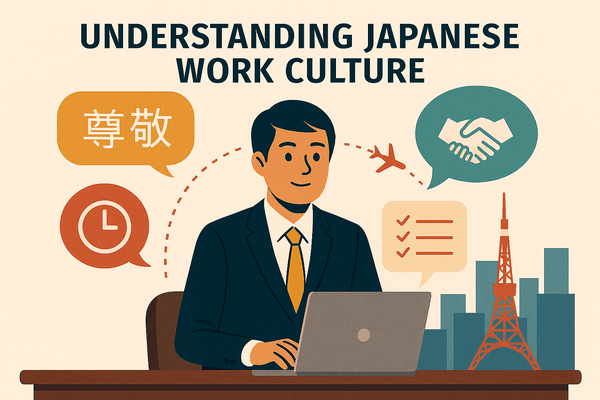
Japanese workplaces combine high standards of professionalism with an emphasis on harmony (和, wa), group cohesion, and respect for hierarchy. Understanding the unwritten rules will help you communicate effectively, avoid misunderstandings, and be seen as a reliable team member.
1. Hierarchy & Respect
Titles and seniority matter. Use polite language with senior colleagues, and follow established reporting lines. The senpai–kohai (senior–junior) relationship often guides mentorship and expectations.
- Address colleagues with surnames + さん (e.g., Sato-san) unless invited to use first names.
- Defer to senior team members during decisions and meetings.
2. Decision-making: Consensus & Ringi
Decisions are often consensus-driven. The ringi-seido process circulates documents for approval and signatures. Expect longer lead times but stronger buy-in when decisions are finalized.
Tip: Practice nemawashi — informal one-on-one conversations to prepare stakeholders before formal meetings.
3. Communication style
Indirectness and politeness are common. People may avoid blunt refusals to preserve harmony. Read between the lines: pauses, hedging phrases, and non-verbal signals often convey meaning.
- Use polite forms in emails (〜ます/〜です) unless told otherwise.
- Learn common Japanese business phrases — basic politeness goes far.
4. Meetings & Presentation etiquette
Arrive early, bring printed handouts if possible, and avoid dominating the conversation. When presenting, be prepared with clear data and a structured plan. Summaries and next steps help teams move forward.
- Start with a short greeting and state the meeting purpose.
- Follow-up with meeting minutes and clear action items.
5. Work hours, overtime & expectations
Long hours are historically common, though attitudes are slowly shifting. Many companies expect dedication; however, overtime should be monitored and discussed. Know your contract, and track hours if needed.
If overtime becomes excessive, discuss it with your manager or HR and propose solutions (prioritization, delegation, or process improvements).
6. Teamwork & Loyalty
Teams often prioritise long-term relationships and group success. Demonstrating reliability, loyalty, and willingness to support colleagues builds trust and reputation.
- Volunteer for routine tasks sometimes — it signals team spirit.
- Be consistent: small reliable actions matter more than dramatic gestures.
7. Feedback & performance reviews
Feedback is often indirect. Managers may praise subtly and avoid public criticism. Seek private, specific feedback and ask for examples to improve. During performance reviews, be ready to present accomplishments with data and explain how you added value.
8. Socialising: Nomikai & after-work culture
Drinking parties (飲み会 nomikai) and after-work gatherings are common bonding opportunities. Participation is often appreciated but not always mandatory. Use these settings to build rapport, but keep topics light and avoid sensitive subjects.
If you cannot drink alcohol, offer a polite explanation — colleagues generally understand.
9. Practical tips for foreigners
- Learn basic business Japanese — greetings, email openings, and polite closings.
- Observe and mirror colleagues’ level of formality.
- Ask clarifying questions privately if instructions are unclear.
- Document agreements in writing to avoid misunderstandings.
- Be patient with bureaucracy — processes can be meticulous but intentional.
10. Common pitfalls & how to avoid them
- Being too direct: Reframe critiques as suggestions and use softening language.
- Skipping nemawashi: Inform key stakeholders first to avoid surprises.
- Ignoring unwritten rules: Small customs (e.g., business card exchange) matter.
11. Quick checklist to thrive
- Arrive a few minutes early to meetings.
- Use polite language in emails and verbal communication.
- Prepare brief written notes before meetings (agenda & goals).
- Follow up with clear next steps.
- Build relationships through consistent small gestures.
12. Resources & further reading
Explore books, blogs, and local mentorship groups to deepen your understanding. Practical experience and mentorship inside your company are the fastest ways to learn the culture.
- Books on Japanese business etiquette and communication
- Local meetups and bilingual professional groups
- Mentors and senior colleagues — ask for career advice